Studio Week I: Shaping Community and Exploring Community Values
 |
| Mycelium growing on a tree stump. Credit: Richard Tullis Getty Images, sourced from Scientific American |
THE STUDIO FOR CREATIVE PRACTICE --
Check out some Community Agreements lower down in this post.
Please Add at least one areas that we should address to the bottom of the google doc here, or send one to betsy if you prefer. . Here is our current list:
Communication
Content Awareness
How to address microagressions and other hurtful impact
24 hours
Caring for our Space
Nudity
Chat and the work it can do.
Device use?
American Players Theater: Our Values
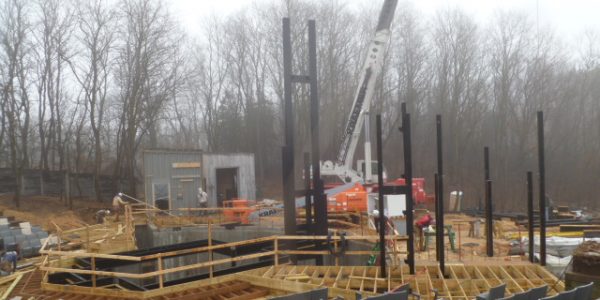
How we treat each other matters. How we work with each other matters. How we make art matters. Over time, we’ve found some ideas that help us bring our best selves to our work at APT. They aren’t the only ideas, and they may change over time. These ideas, today, seem to be our best expression of who we want to be.
- We believe that each member of the APT community plays a vital role in creating a unique and personal experience for our audience.
- We aim to be clear on APT’s mission and how each of us contributes to that mission.
- We work to make everyone feel welcome.
- We believe that a rich diversity of people, ideas and experiences gives us strength.
- We strive to create an environment of trust.
- We treat each other with respect and kindness.
- We depend on each other for clear, honest and responsible communication.
- We value the learning that comes from difficult conversations.
- We listen to what is being said and to what’s NOT being said.
- We encourage each other to express ourselves. There is no question we can't ask.
- We embrace individuality and personal strengths.
- We endeavor to create a space where personal agency thrives.
- We each take personal responsibility for the quality of our work environment and the work environment of others.
- We take pride in our work and hold ourselves to a high standard of accomplishment.
- We find joy in challenging ourselves to do better.
- We rely on each other to aspire to these values and forgive each other when we fall short.
- We believe that there is always more to learn.
This is what we know to be true: the “magic” of APT doesn’t just happen. It’s hard work. And it’s on purpose.
You might also be interested in APT's Antiracism Vision and Action Plan

An important part of designing brave space for thinking and making together is establishing Community Agreements. Because the Studio is so new, we want to take this part on with great care and attention, as we are designing for something that we hope will go on to have powerful and sustained impact on all who engage, building equity, inclusivity, creative and critical capacities, and collaboration. Thus we enter this work with the intention, care, and impatient patience that we enter all areas of our work together. Above and below, we share four examples of community agreements, and then a place to: propose topics that need an agreement. We will then engage in a multi-step process to prioritize topics and then tackle each agreement and process around that agreement.
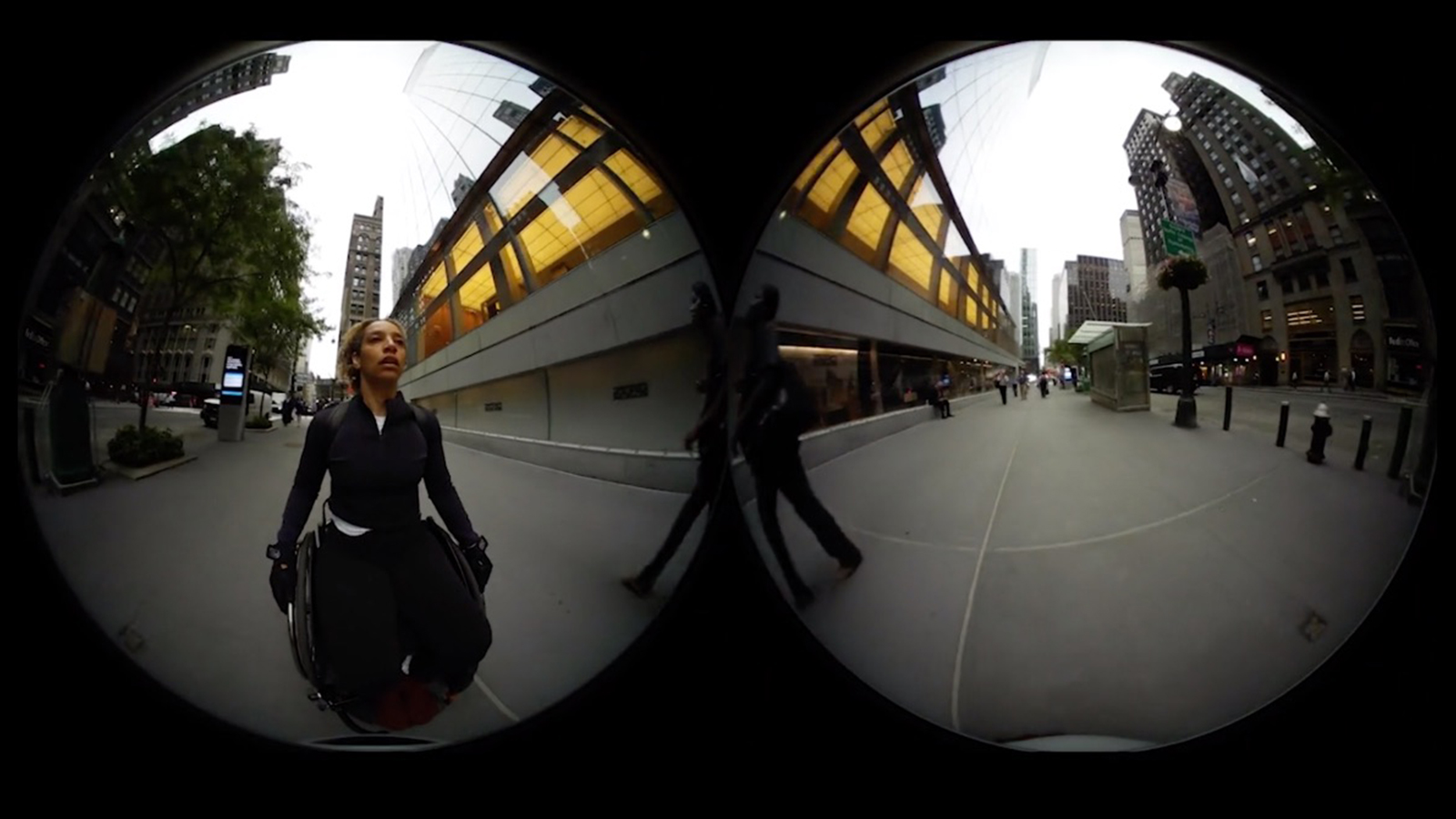
Agreements from Lincoln Center Arts and Civic Engagement:
•Allow others to identify themselves + Speak from your own experience
•Include Everyone
•Honor Your Lineage
•Ask for patience and give patience especially where language is involved
•Keep kindness in forefront: best intentions
•Stay aware of time (speaking & sharing)
•Communicate your needs
•What’s said here stays, what’s learned here leaves
•Listen to understand, not to respond
•Invitation to “The Yellow Zone”
•Remember to be a beginner/Honor the Learning Edge

Agreements from the Anti-Oppression Network.
Find more detailed versions on their site here.
suggestions for group guidelines are:
- platinum rule (treat others the way they want to be treated)
- always have check-ins
- API – Assume Positive Intent – not everyone comes in with the same set of experiences and knowledge, so assume that people have good intent. Please have positive intent yourself, and be accountable for the impact of your actions and words as well.
- confidentiality – share lessons learned; names and identifiers stay
- don’t yuck my yum” / “don’t giggle my wiggle” -people have different tastes and preferences. avoid statements such as “i hate that” or “eww!”. and we all have different experiences and struggles.
- no shaming and/or belittling each other and ourselves
- use “I” statements – speak from your own experiences rather than generalizing
- self-care: give care to ourselves, however that may be
- take breaks from meetings/organizing if needed
- pass on/delegate responsibilities if needed
- saying yes and no when we mean it
- asserting healthy boundaries
- all spaces shared by members (i.e. meetings, events) must be as physically and socially accessible as possible
- wheelchair accessible entrances, washrooms, seating
- sign language interpretation and/or live captioning
- hearing language interpretation
- childcare available onsite
- bus tickets
- scent-free/scent-reduced spaces
- ongoing reflections of abled, anglophone, middle/upper class and other intersecting privileges and supremacist cultures
- etc.
- members will do workshops and/or take trainings related to anti-oppression at least twice a year
- create an accountability and conflict resolution process via structure
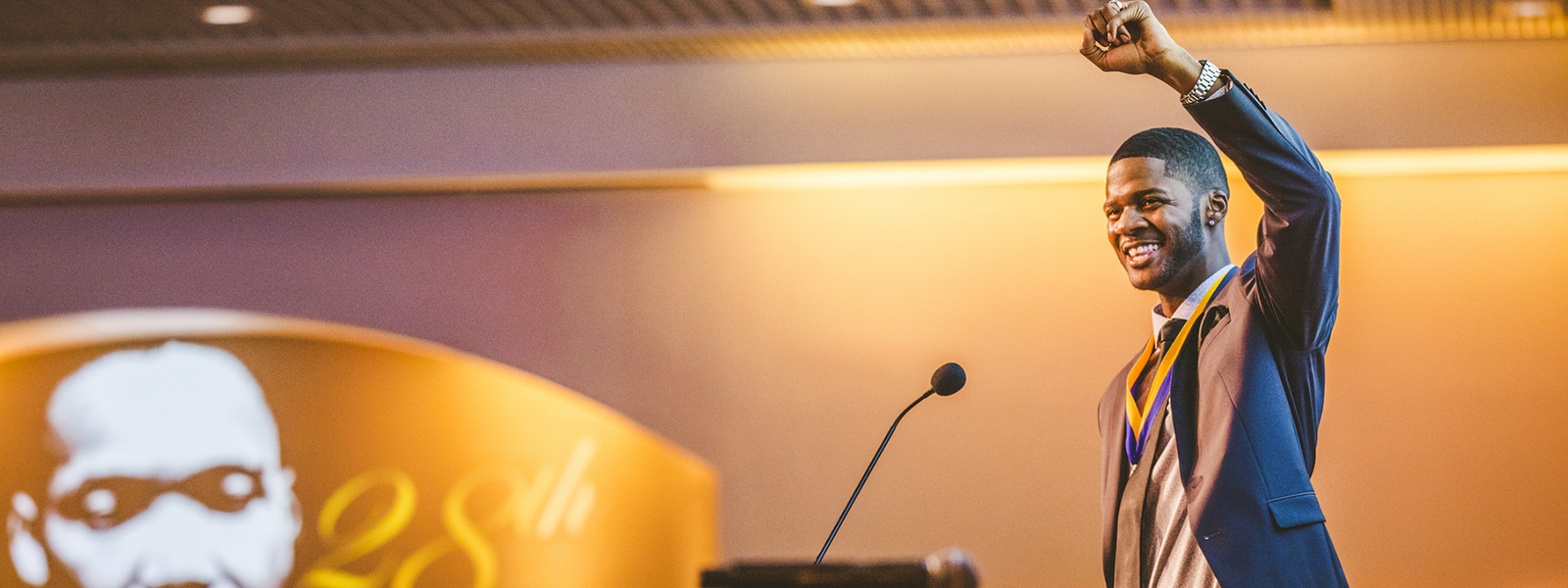
Questions for the Artist Leader from Donovan Livingston/ dlive
Am I willing to accept the consequences of my curiosity?
Does the value of my safety outweigh the cost of my silence?
Who is at the center of my art?
Who is/is not represented in my art?
Who is made uncomfortable by my art?
How does this art and leadership resist notions of______________?
How does my art support our collective good?
How do I use my influence to create spaces for others to express themselves?
Am I willing to ask myself these questions again tomorrow?

From The New School
We will speak using "I" language. E.g., rather than saying, "You said...", say, "I heard you say...."
We will criticize ideas, not people.
We will back our opinions and arguments with facts and reasoning.
We will practice active listening. (So often, when we are "listening", what we're really doing is thinking about what we are going to say in response to the speaker. Really listen to the speaker and allow some space following to see what wants to be said. This slows the conversation and allows deeper and more thoughtful engagement with the topic.)
We will speak with fairness and call out bias, exclusion, and prejudice. (Sometimes hurtful things are said unintentionally. Whether intentional or not, instructors need to flag the moment. If they feel unable to address what happened in the moment, it's important to mark it, and make clear they will return to it after they've had time to think about how they want to address it. Calling it out signals to marginalized students that the instructor will not tolerate bias and prejudice, even when unintended.)
We will move up, move up. (That is, move up our listening; or move up our speaking. This agreement is a way to draw quieter students into the conversation and manage more dominant students.)
This classroom is a brave space where we are willing to be uncomfortable in order to learn.


Testing comments. X https://studioforcreativepractice.blogspot.com/2021/08/studio-week-i-shaping-community-and.html?m=1#comments
ReplyDeleteReplying to your test!
ReplyDelete